Skip to content
Percepta Bioscience
Small-molecule detection

Undruggable? Or just unscreenable?

Good targets get deprioritized every day — not because the biology is wrong, but because nothing can screen them at throughput. The fallback is mass spec, chosen for lack of an alternative.

We build direct biological sensors for the metabolites and enzyme products conventional assays can't measure.
Request information See the assay kits
Molecular rendering of a small molecule bound inside an engineered protein pocket
The two fallbacks vs. direct detection

Both fallbacks work. Both cost you something.

There are two ways to work around a missing assay. LC-MS is specific and sensitive, but throughput is bounded by instrument time. An enzyme-coupled assay runs at plate scale, but reports a downstream product — so each added enzyme is one more thing a compound can act on.

LC-MS
Enzyme-coupled assay
Percepta FRET sensor
Signal path
The molecule itself, after separation
A downstream product of added enzymes
The molecule itself, in the well
Readout
Endpoint, destructive
Endpoint or indirect kinetic
Continuous and kinetic
Throughput
Set by instrument run time
Plate-scale
Plate-scale, 96- and 384-well
Workflow
Prep, separation, calibration
Balanced multi-enzyme master mix
Mix and read
Assay kits

In development

Three kits in active development. Contact us for availability and early access.
All products →
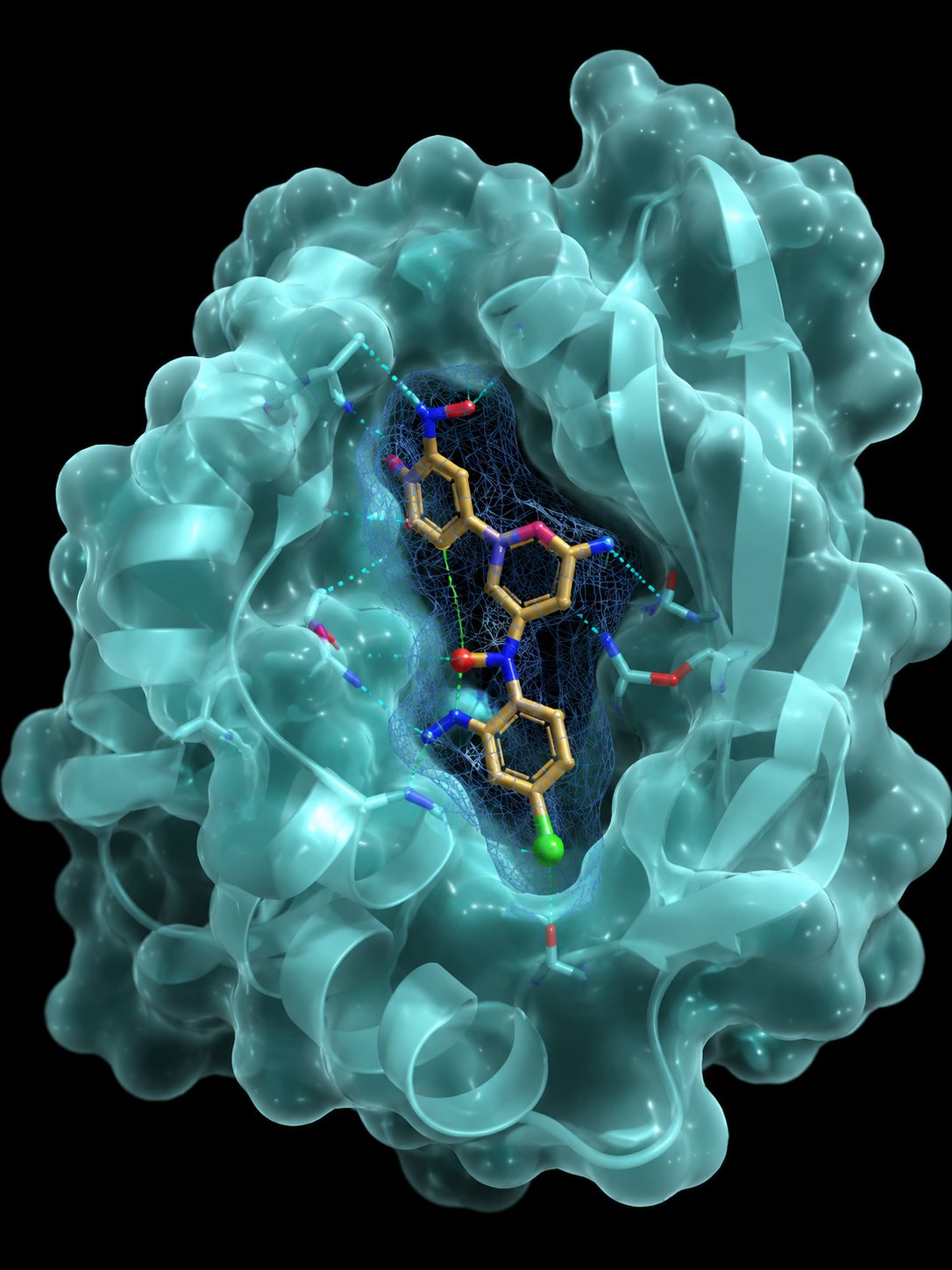
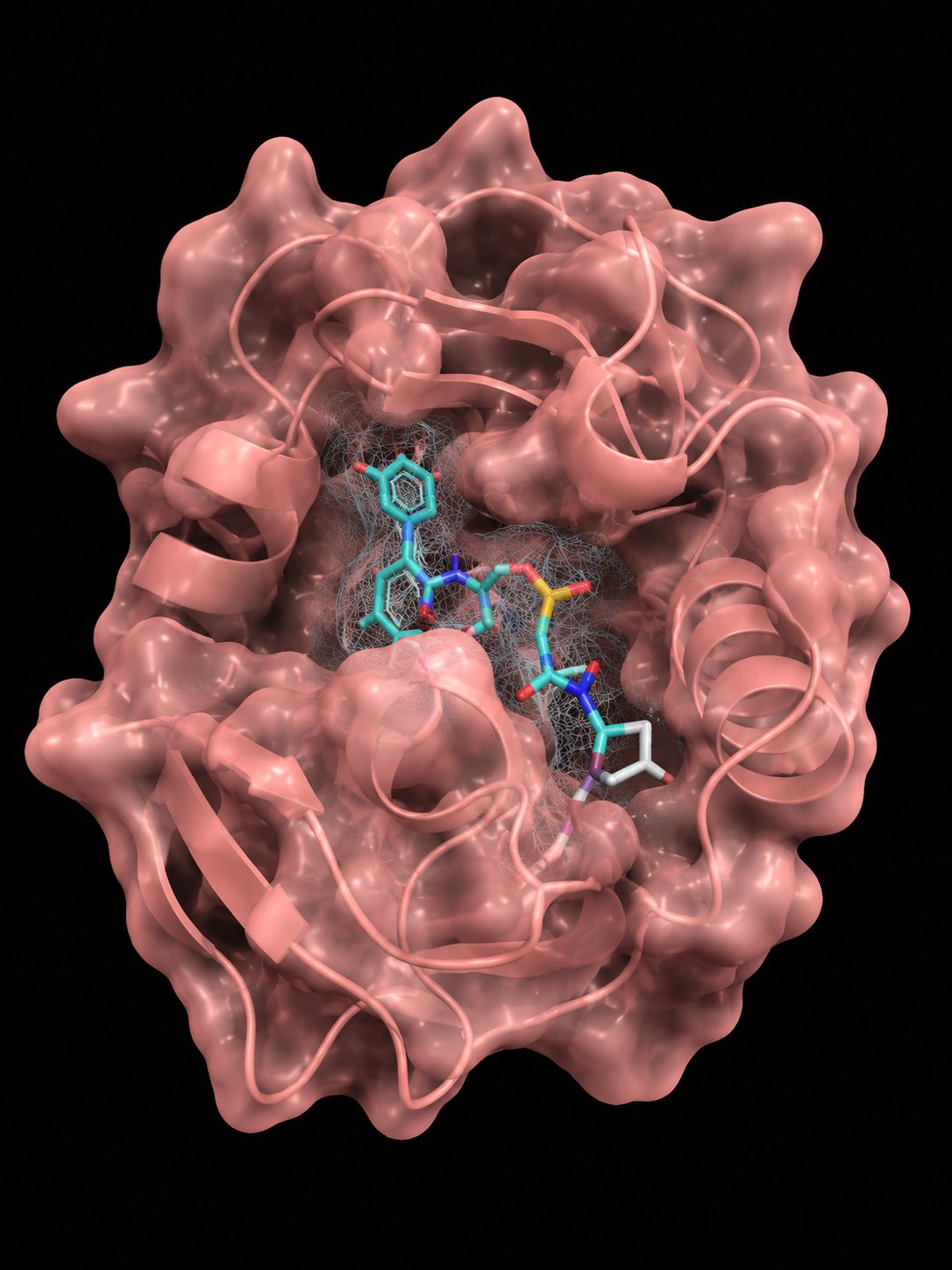
Molecular rendering of an itaconate-binding pocket in a FRET sensor

Itaconate Assay Kit

Real-time quantification of the immunometabolite produced by activated macrophages via ACOD1 (IRG1).

Learn more →
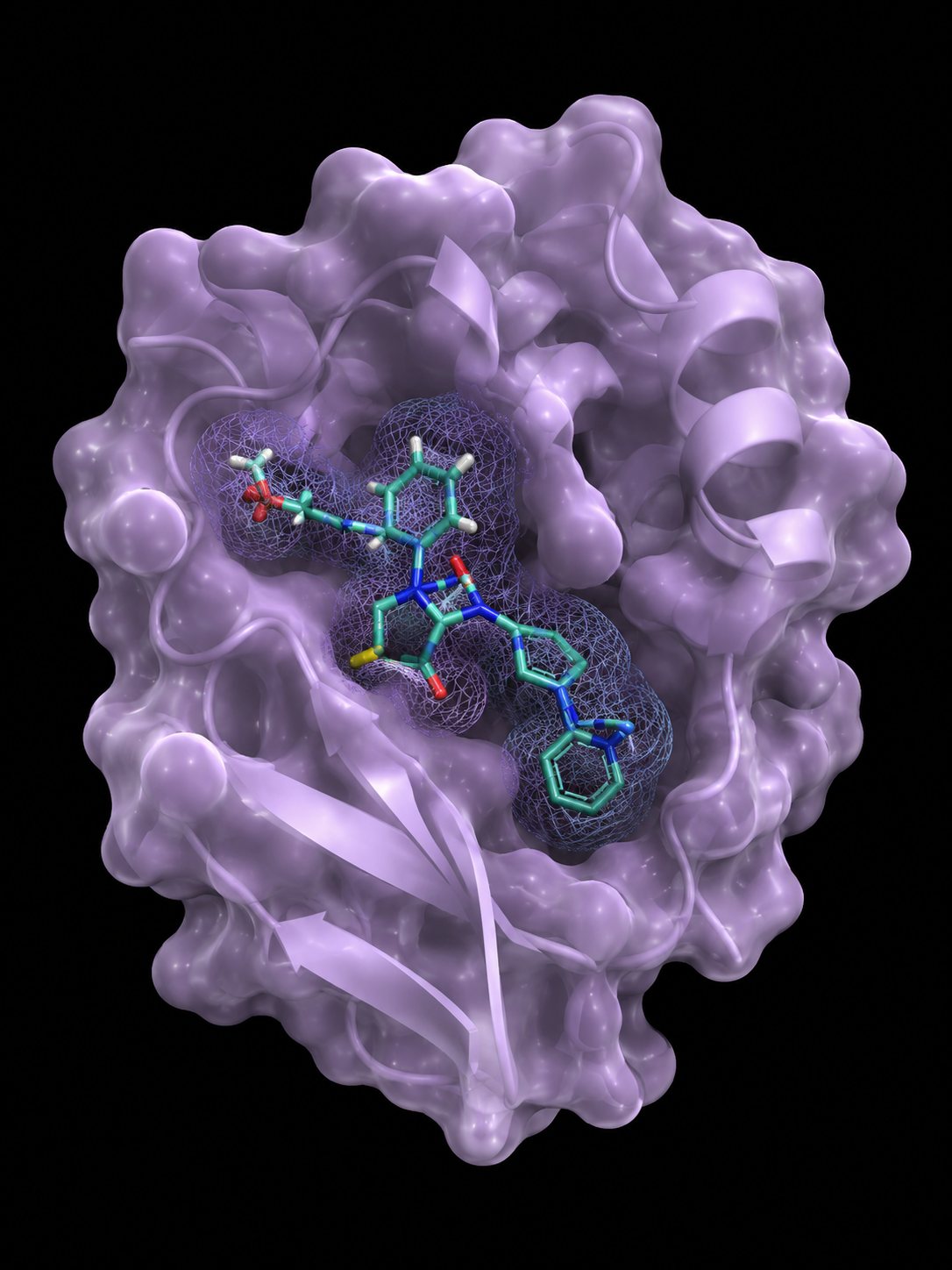
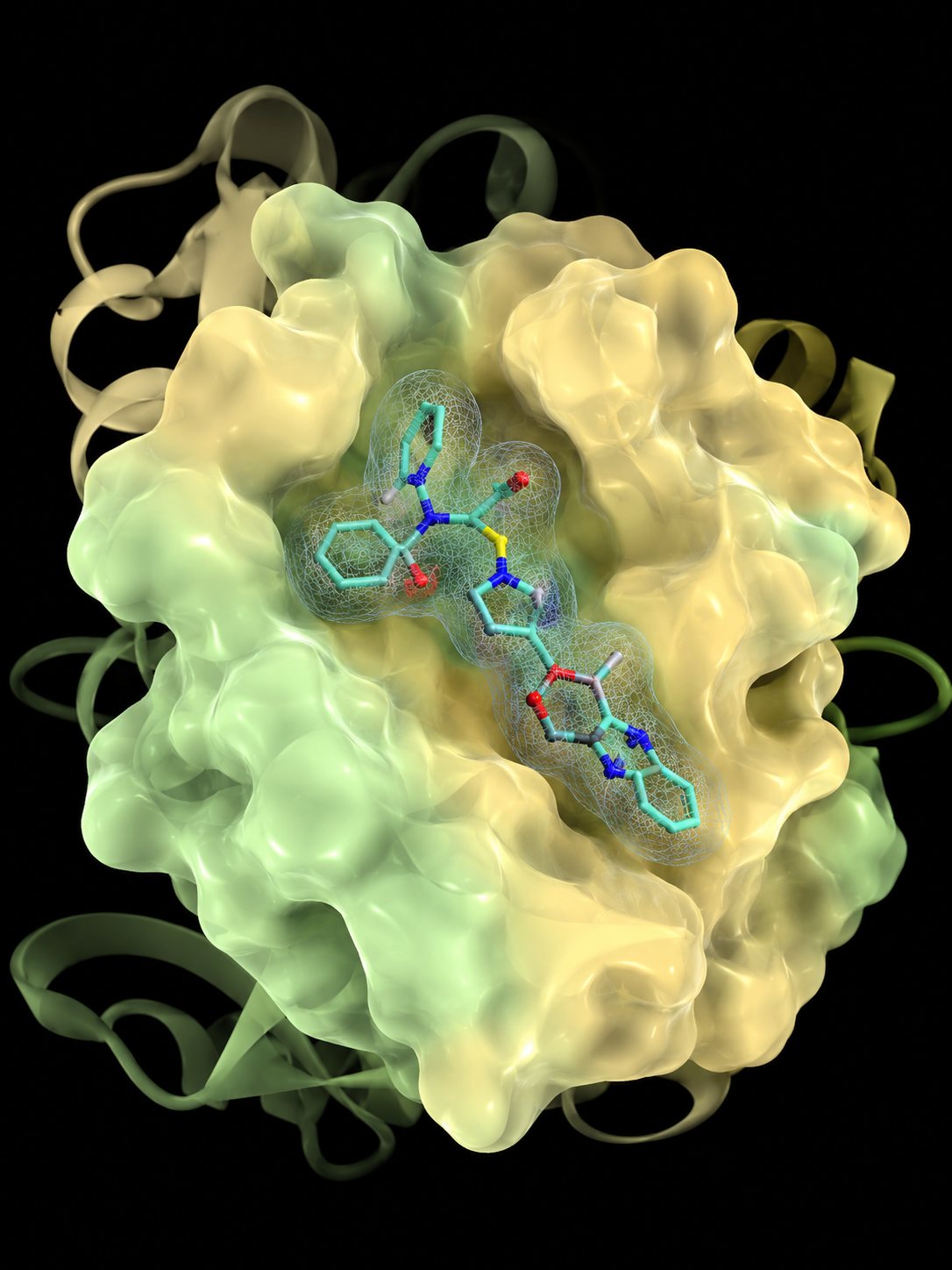
Molecular rendering of a kynurenic acid binding pocket in a FRET sensor

Kynurenic Acid Assay Kit

Direct detection of kynurenic acid in a homogeneous well — no coupled cascade, no chromatography step.

Learn more →
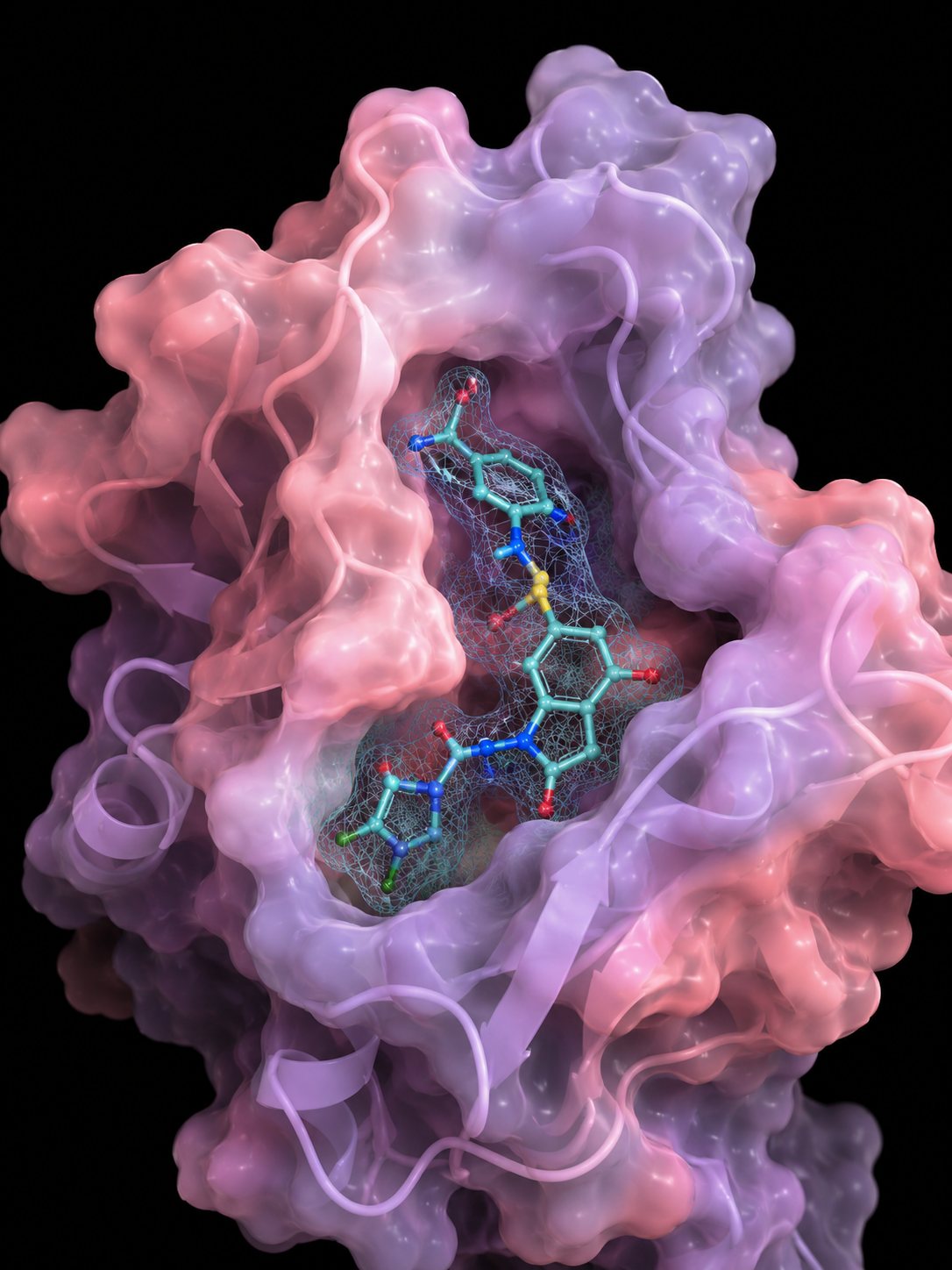
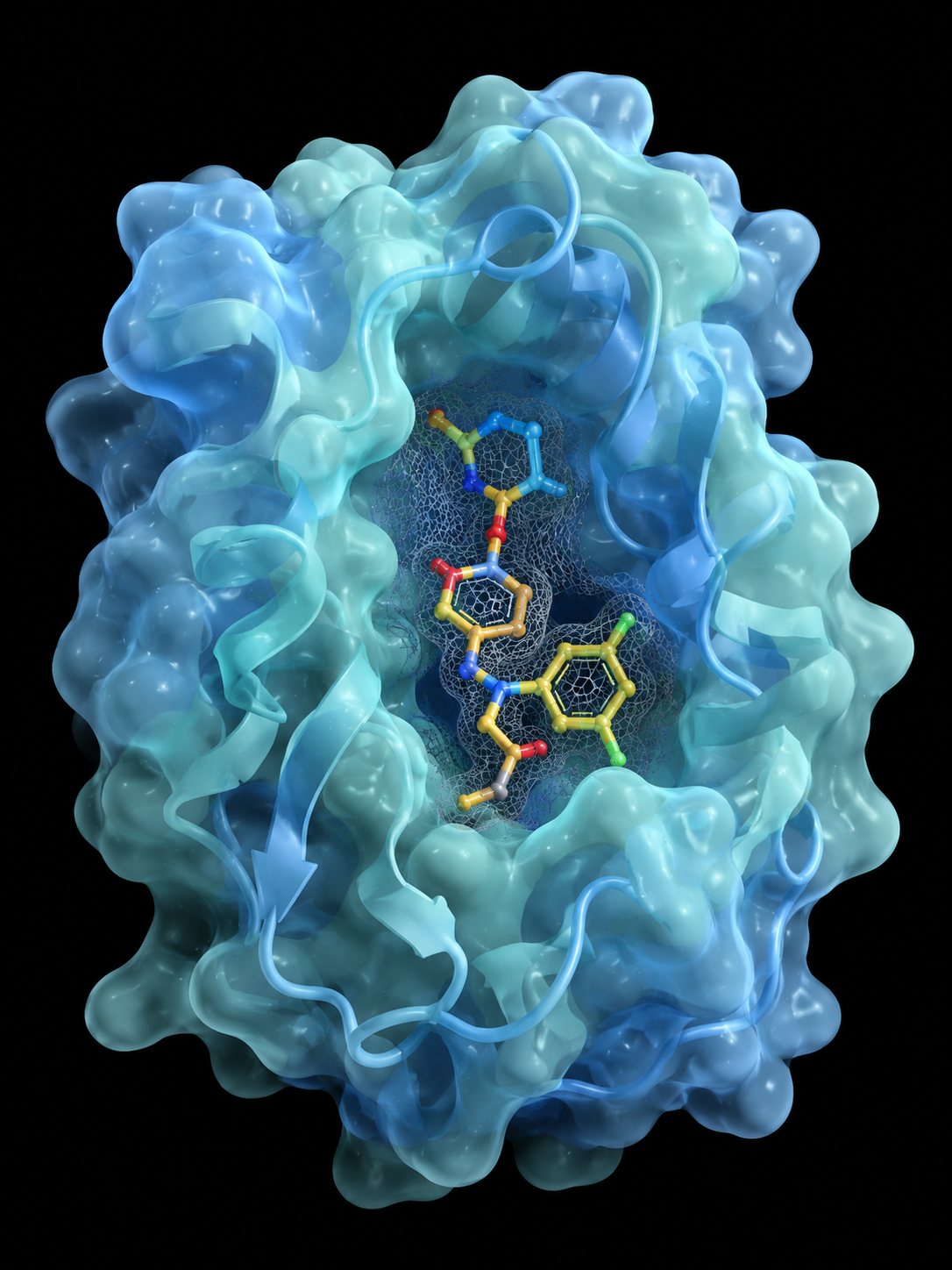
Molecular rendering of an orotate binding pocket in a FRET sensor

Orotate Assay Kit

A plate-based route to orotate, the product of the rate-limiting step of pyrimidine synthesis.

Learn more →
How the assays get built

Millions of assay variants, optimised in parallel.

We developed proprietary methods for constructing FRET-based sensors against targets that have no assay at all — then screen millions of variations simultaneously and use deep learning on those datasets to guide the next round of optimisation.

How the technology works →
01
Diffusion foundation

Diffusion models run on proprietary sequence datasets to generate starting sensor candidates.

02
Sensor generation

Given a molecular input, the model samples diverse candidates and denoises toward high-probability sequences.

03
Lab optimisation loop

Candidates go through high-throughput engineering to tune expression, dynamic range, sensitivity and specificity.

Sensor generation

Enter your compound of interest. Watch a sensor converge.

Our interactive demo runs a simulated diffusion trajectory for a ligand of your choice — the same three-stage pipeline we use to design real sensors. Illustrative only: it does not produce functional sensor sequences.

Open the demo →
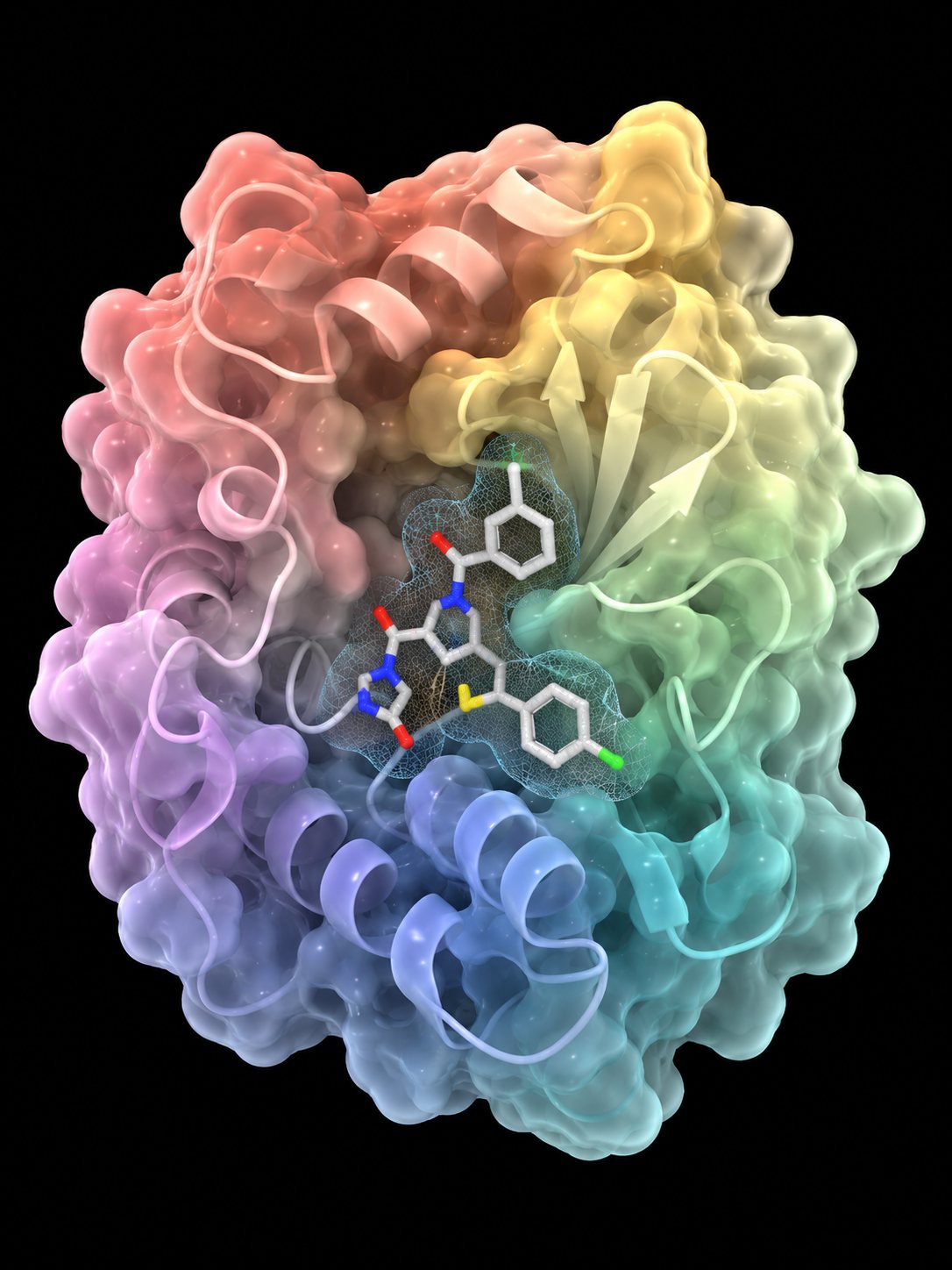
Molecular rendering of a FRET sensor's ligand-binding pocket
Sensor generation demo
CC(C)O · diffusion steps 250
Targets in development
Molecular rendering of the isocitrate lyase active site

Isocitrate Lyase

A validated target for TB persistence with no existing HTS-compatible assay. We're building a real-time FRET-based screen.

Read the case study →
Molecular rendering of the aldosterone synthase active site

Aldosterone Synthase

The final step of aldosterone production, and a target with an approved inhibitor as of 2026. We're building a selective, plate-based screen.

Read the case study →